
Capacity building at Sabuj Sangha (Nandakumarpur) is a continuous part of programme implementation, covering both community-level and institutional capacity. At the community level, training is used to build practical skills in livelihoods, life skills, digital and financial literacy, enterprise development and environmental stewardship. At the institutional level, staff are supported through orientation and exposure-based learning so that project teams remain equipped to implement programme activities effectively.
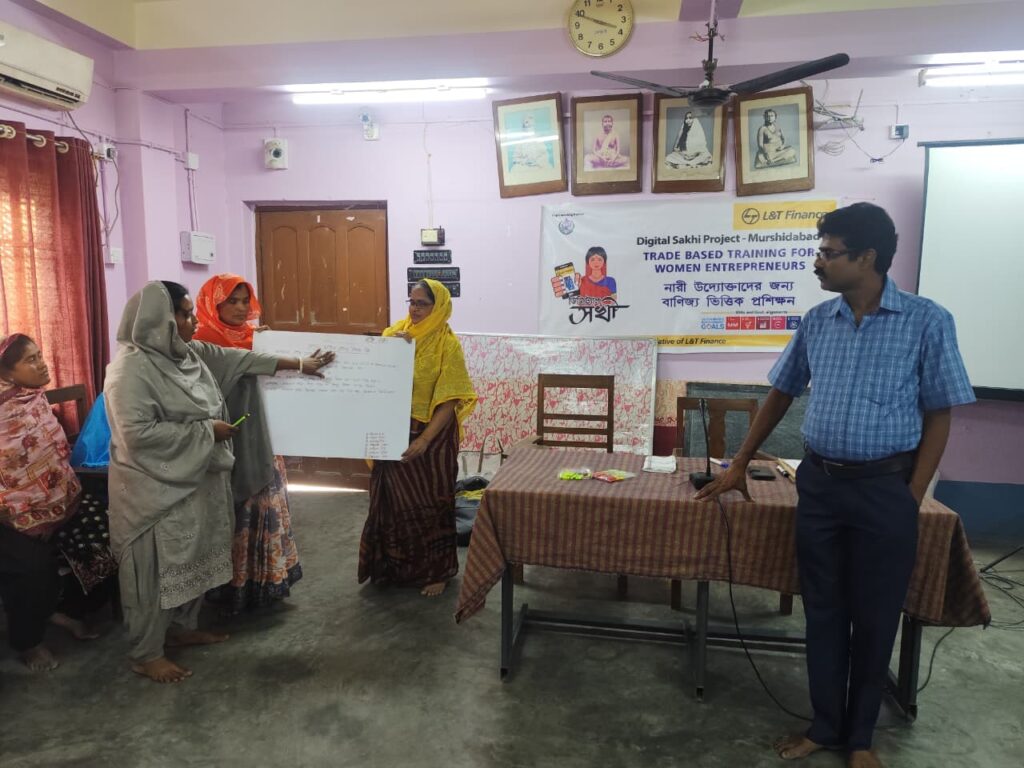
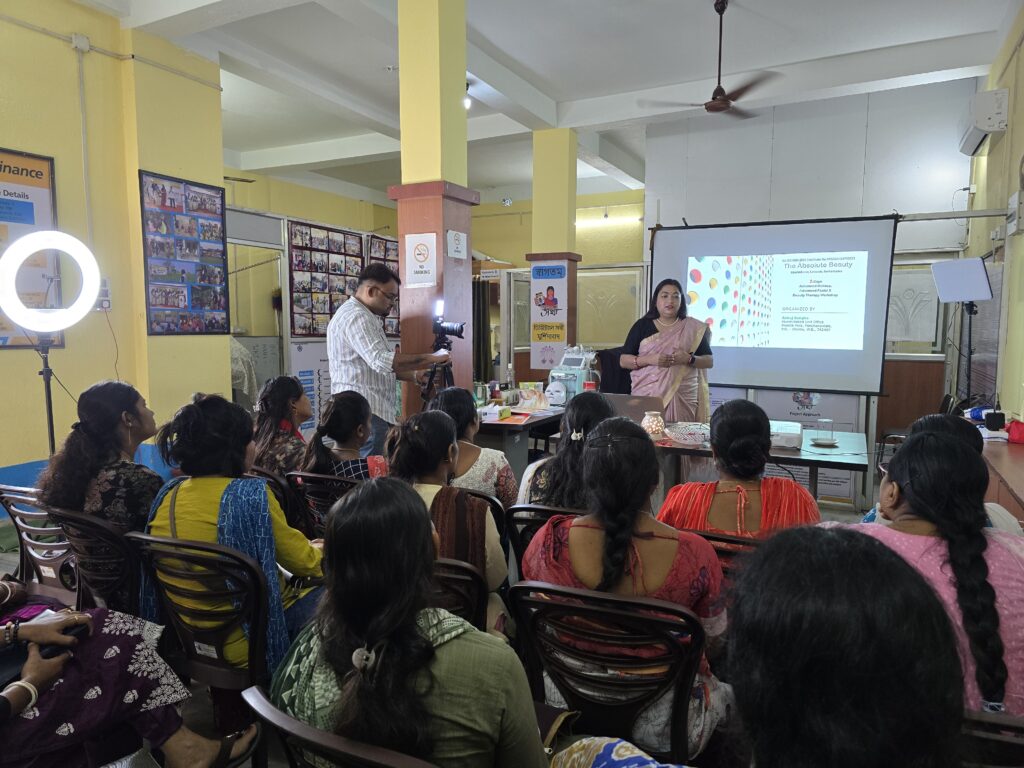
Capacity-building focus: Capacity building under the Digital Sakhi programme focuses on strengthening women’s digital, financial and enterprise-related capabilities so that they can support wider community-level access to information and financial services while also improving their own livelihood opportunities. Digital Sakhis receive both incubation and refresher training in digital and financial literacy, while Financial Literacy Centre and Resource Person (FLCRP) training further strengthens their ability to promote financial literacy and inclusion within the community. The programme also supports women entrepreneurs through training in inventory, credit and accounts management, visual merchandising, tailoring, beautician skills and animal husbandry. Together, these trainings are intended to strengthen women’s confidence and practical skills, improve their ability to manage and expand small businesses, and create stronger links between digital knowledge, financial inclusion and livelihood development.
Expected contribution in the coming years: In the coming years, these capacities can contribute to a stronger network of women who are able to provide digital and financial support within their communities, manage livelihood activities more effectively and participate more confidently in local markets. Continued strengthening of these skills can also support greater economic participation and financial inclusion among women and help sustain community-level access to digital and financial services.
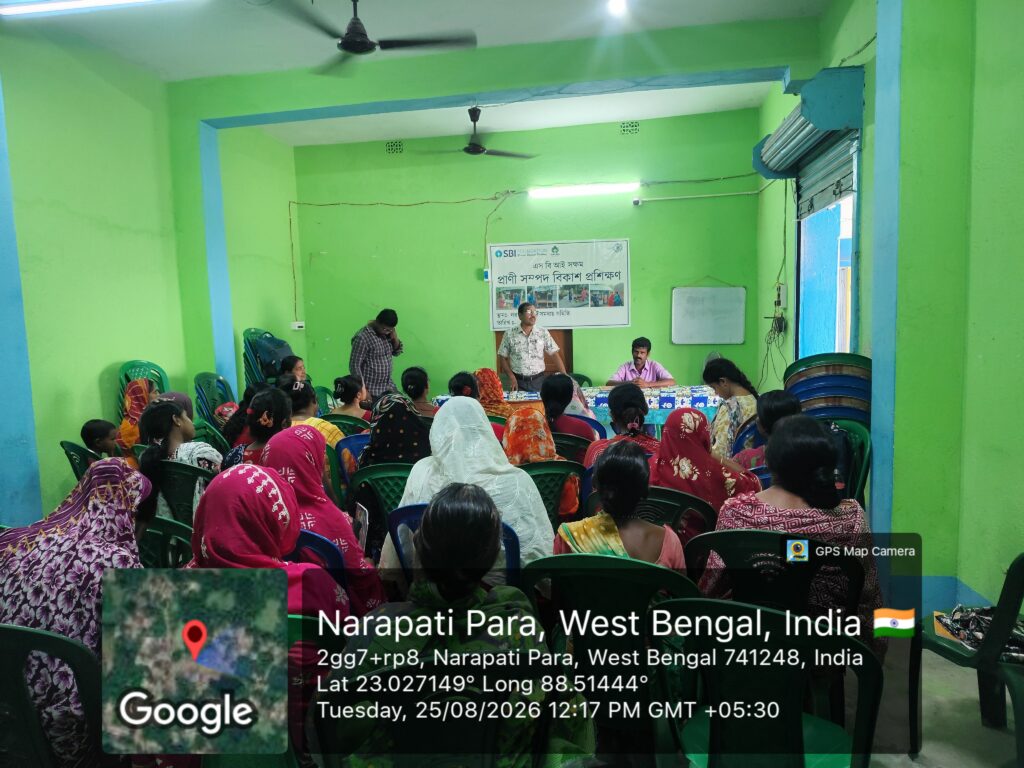
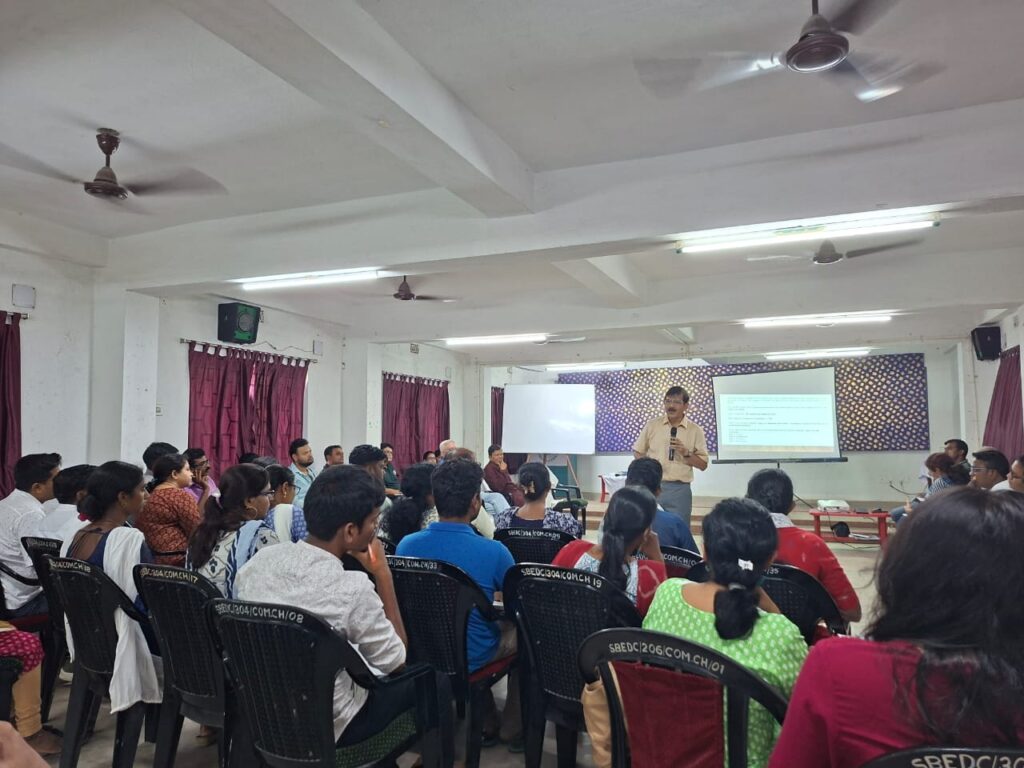
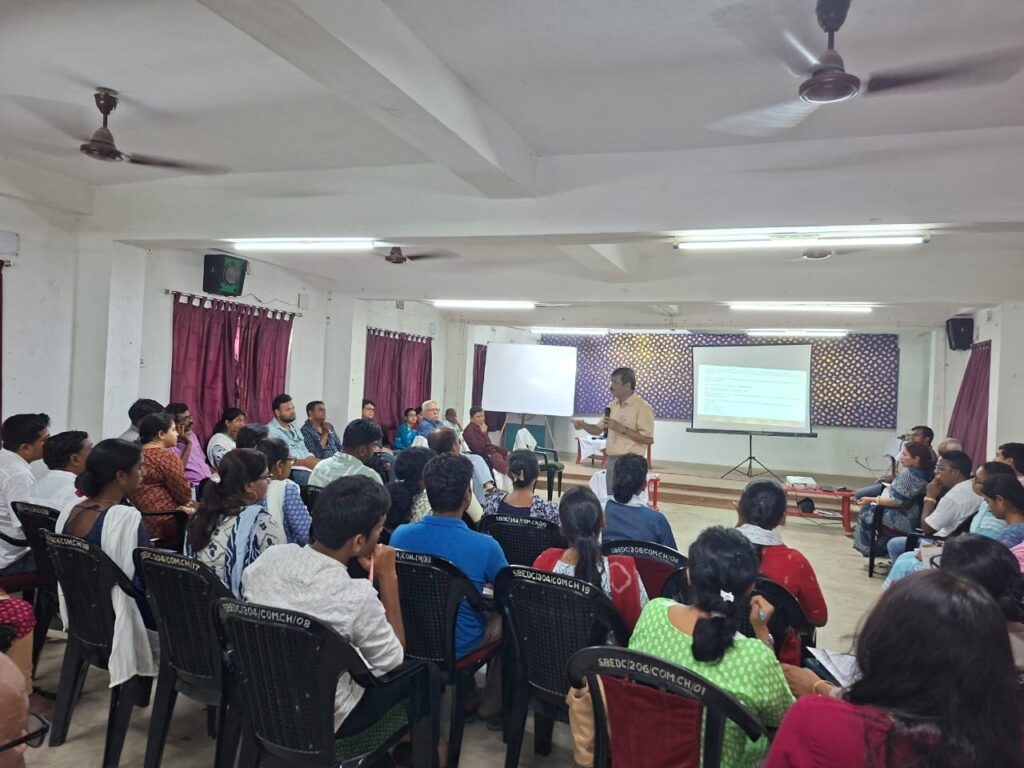
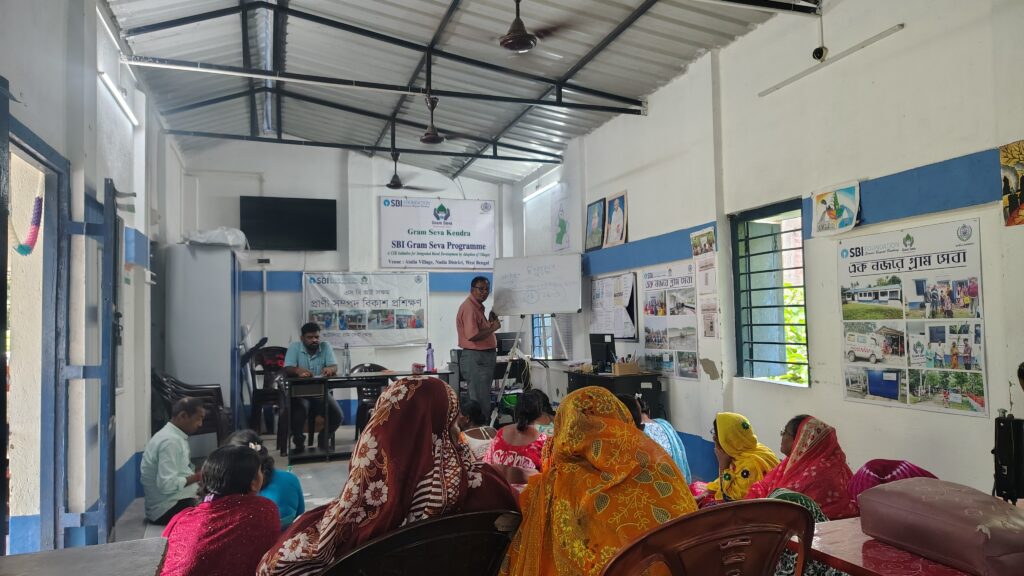
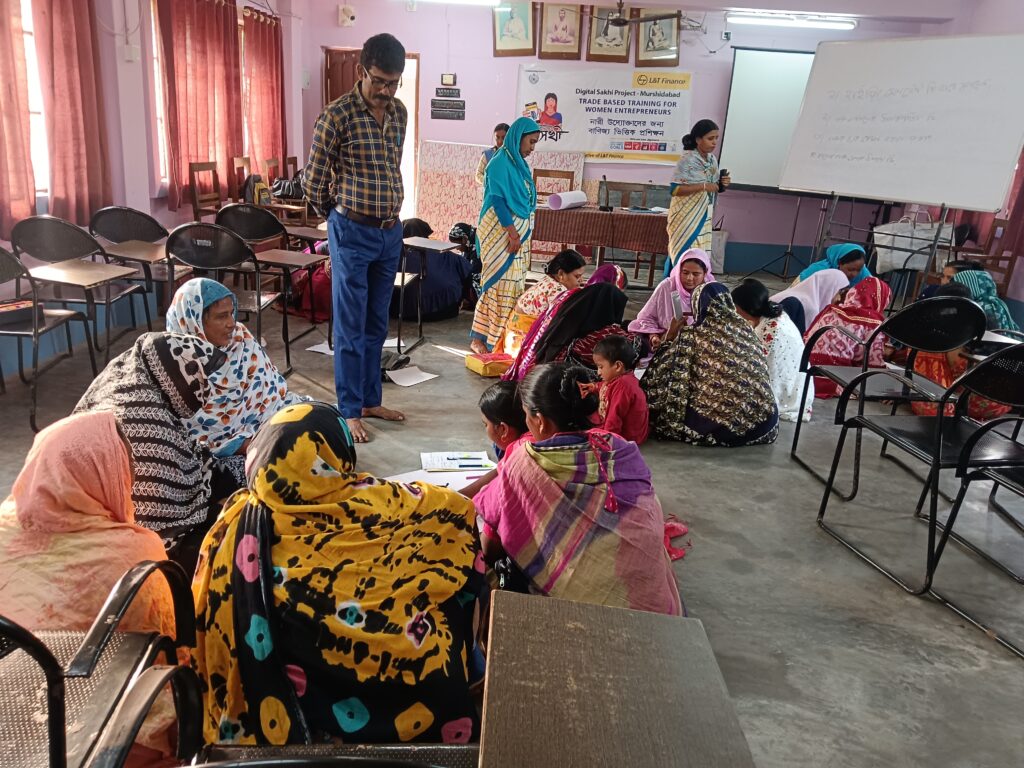
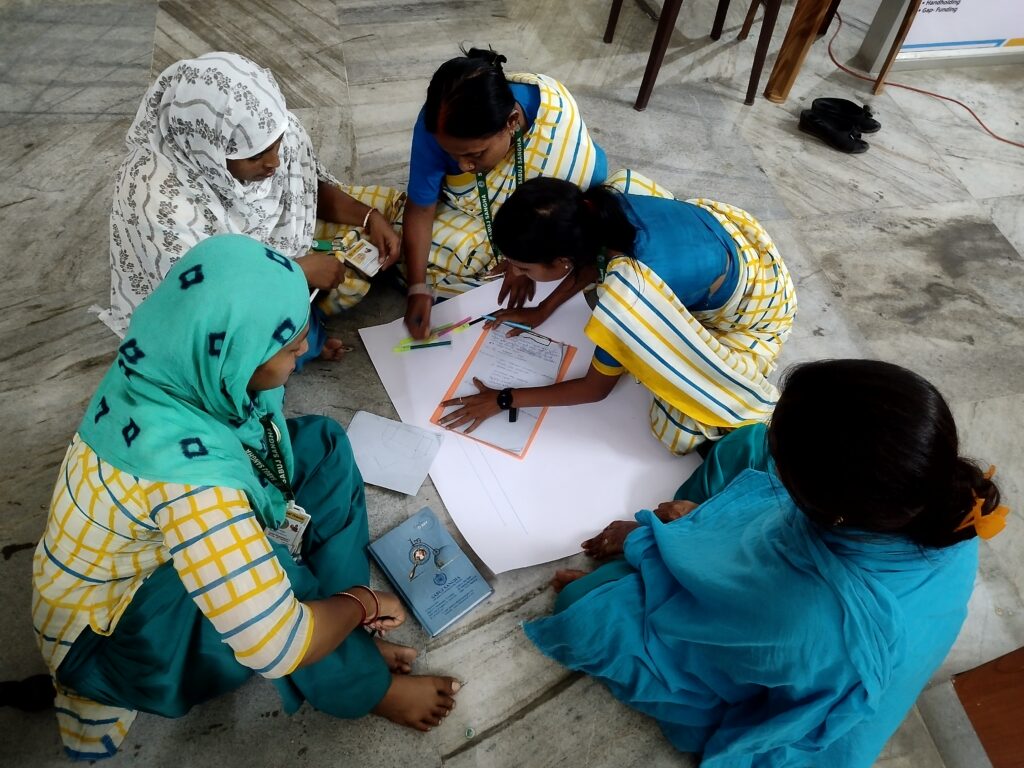
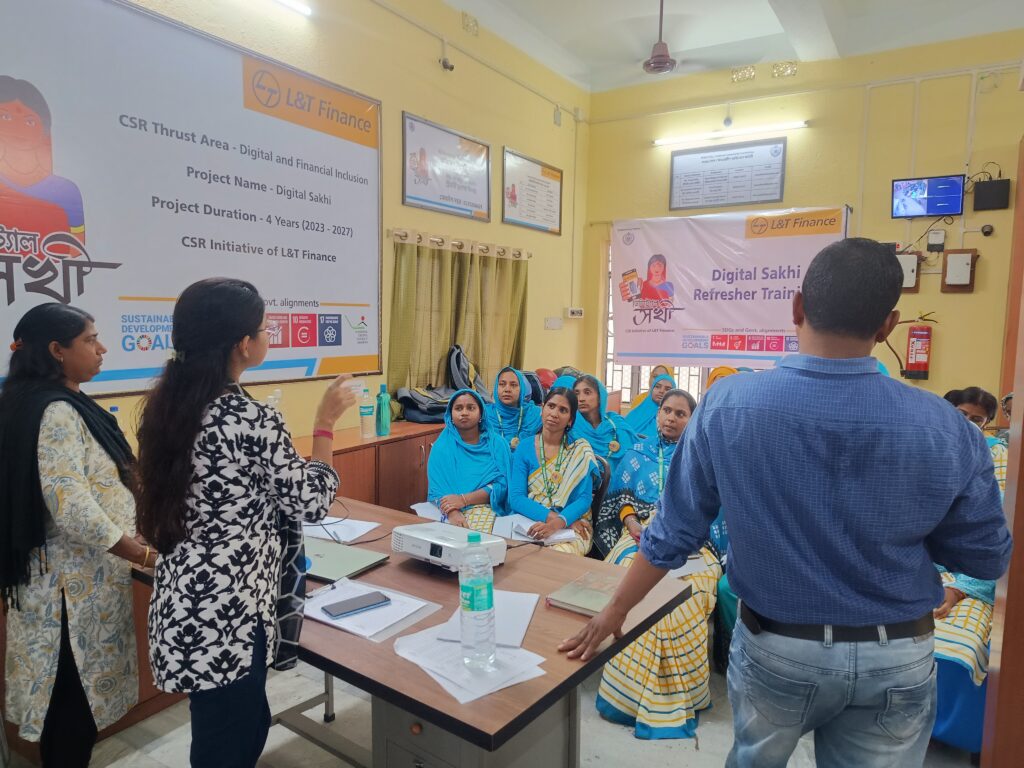
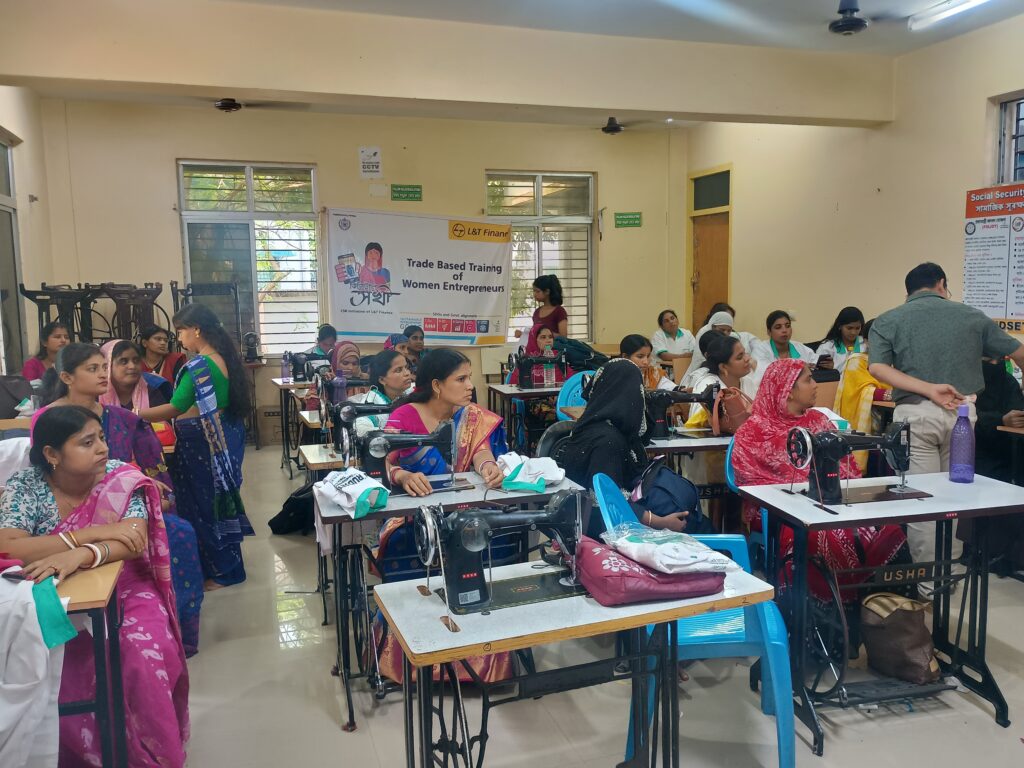
| Sl. No. | Training Name | No. of Participants | Facilitator | Purpose |
| 1 | Refresher Training of the Digital Sakhis | 100 | Project Staff | Reinforce digital and financial literacy skills of Digital Sakhis |
| 2 | Digital Sakhi Incubation Training | 98 | Iternational Management Institute (IMI) | Build foundational digital and financial literacy for new Digital Sakhis |
| 3 | Inventory, Credit & Accounts Management to WEs | 58 | Mr. SanjoySen (IMI) | Build financial and inventory management skills for women entrepreneurs |
| 4 | Visual Merchandising to WEs | 40 | Zeeshan Khan (IMI) | Train women entrepreneurs in product display and merchandising |
| 5 | Beautician Training to WEs | 17 | Mrs. MitaliHalder (The Absolute Beauty) | Build vocational beautician skills for income generation |
| 6 | Animal Husbandry (Goatery & Dairy) | 58 | Nirmal Kumar Jana | Build livestock-rearing skills for livelihood diversification |
| 7 | Financial Literacy Centre and Resource Person (FLCRP) Training | 106 | Organisation Expert | Strengthen knowledge and capacity in promoting financial literacy and inclusion within the community |
| 8 | WE Trade Based Tailoring Training | 70 | Organisation Expert | Build tailoring skills for income generation |
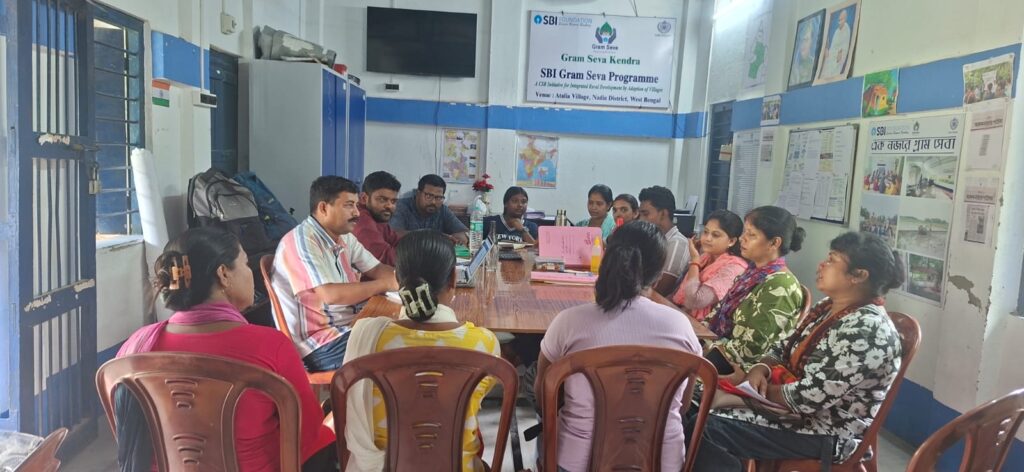
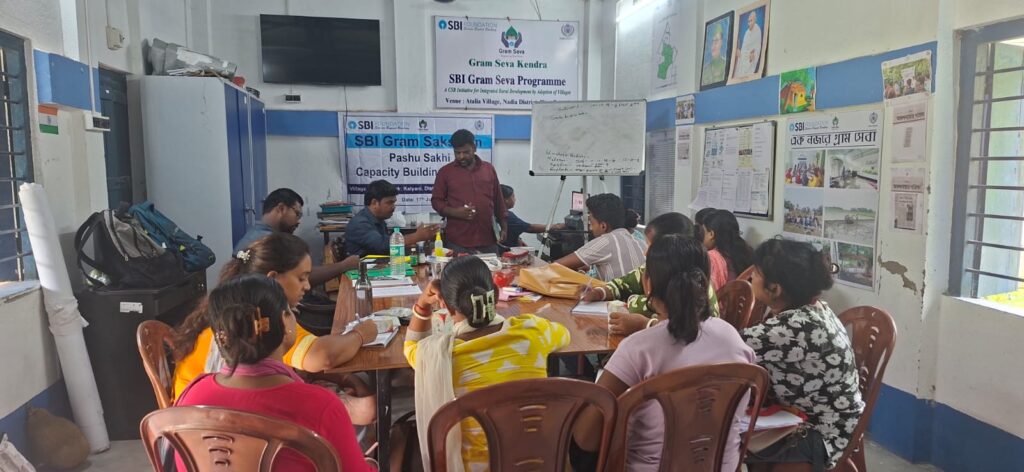
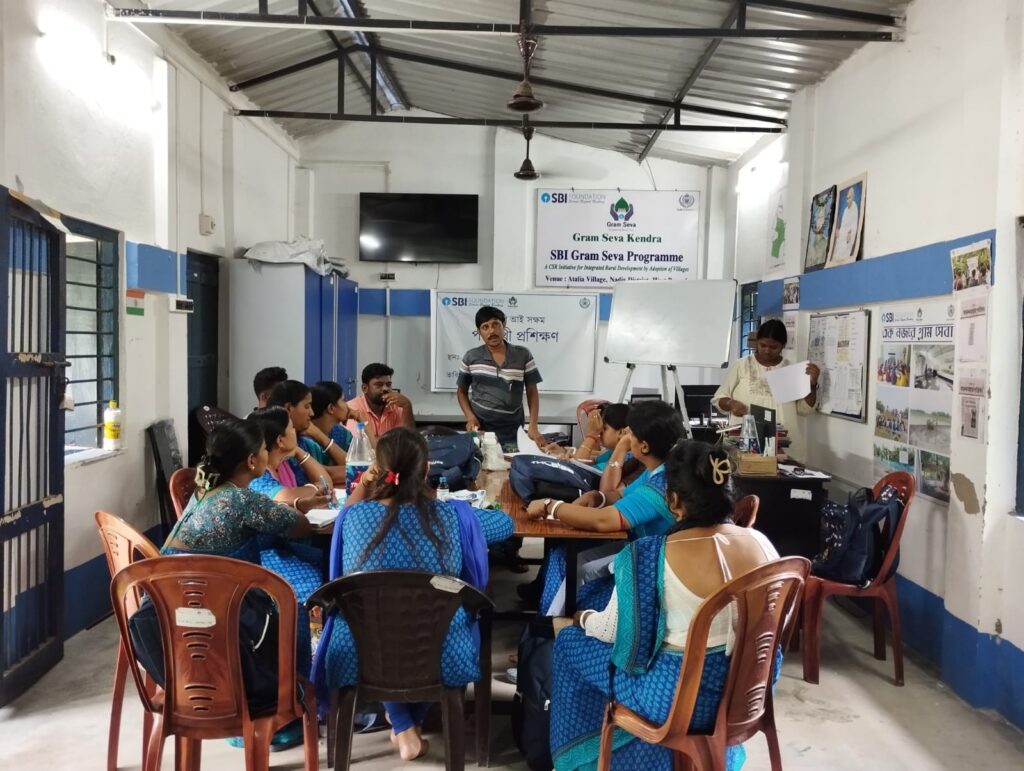
Capacity-building focus: Capacity building under SBI Gram Saksham is centred on strengthening community-based livestock livelihoods and developing the technical capacity of Pashu Sakhis. The training package covers goat rearing, hen and duck rearing, and basic medicine for goats and ducks, enabling Pashu Sakhis to provide practical support to livestock-rearing households. Community members are also trained in goat-based and poultry-based livelihood activities, with an emphasis on animal husbandry practices that can support income generation. This approach combines frontline community-level technical support with livelihood-oriented training, creating a local support system around livestock-based activities.
Expected contribution in the coming years: Over the coming years, these skills can strengthen the sustainability of livestock-based livelihoods by improving day-to-day animal husbandry practices and increasing access to basic technical support within project villages. Continued capacity building of Pashu Sakhis and community members can help retain practical knowledge at the local level and support more informed management of goat, hen and duck rearing activities.
| Sl. No. | Training Name | No. of Participants | Facilitator | Purpose |
| 1 | Pashu Sakhi Capacity Building Training – Goat Rearing | 18 | Mr. NirmalJha& Mr. SudiptoPahari | Introduce Pashu Sakhis to goat rearing techniques and best practices |
| 2 | Pashu Sakhi Capacity Building Training – Hen and Duck Rearing | 18 | Mr. NirmalJha& Mr. SudiptoPahari | Introduce Pashu Sakhis to hen and duck rearing techniques |
| 3 | Pashu Sakhi Capacity Building Training – Basic Medicine for Goat and Duck | 32 | Mr.TarunParamanik& Mr. Toton Ghosh | Strengthen Pashu Sakhis’ knowledge of basic veterinary care |
| 4 | Goat Livelihood & Animal Husbandry Training | 115 | Mr. Rabindranath Mondal – Livelihood Expert, WBCADC, Haringhata | Enable goat-based livelihood generation through animal husbandry skills |
| 5 | Hen and Duck Livelihood & Animal Husbandry Training | 139 | Mr. Rabindranath Mondal – Livelihood Expert, WBCADC, Haringhata | Enable poultry-based livelihood generation through animal husbandry skills |
Capacity-building focus: Capacity building under the Focused Rural Development Programme focuses on developing and strengthening community-level veterinary support. Para-Vets are trained in technical veterinary skills, followed by refresher training to reinforce the knowledge and skills of those already trained. The training is therefore structured not only to build an initial technical base but also to maintain and strengthen that capacity through continued learning. This supports the development of local human resources who can contribute to basic livestock-related support within the project area.
Expected contribution in the coming years: In the coming years, a strengthened pool of trained and refreshed Para-Vets can contribute to more consistent access to basic technical livestock support within project communities. Continued refresher learning can help sustain field-level knowledge and strengthen the local capacity required for livestock-based livelihood activities.
Training conducted (FY 2025 – 2026)
| Sl. No. | Training Name | No. of Participants | Facilitator | Purpose |
| 1 | Para Vet Training | 16 | Dr.NoniBabu | Build technical veterinary skills among Para-Vets |
| 2 | Refresher Para Vet Training | 30 | Dr.Sarikul Islam (Deputy Director, ARD Department), Dr.SauravMaiti (Block livestock Development Officer) | Reinforce technical skills of trained Para-Vets |
Capacity-building focus: Capacity building under the Nayantara programme is centred on preventing child marriage and early marriage in the project communities by strengthening adolescents’ life skills, confidence, leadership and awareness. Life skills training helps adolescents develop the confidence and decision-making abilities needed to understand and respond to situations that may affect their education and future choices. Leadership training encourages young people to participate, express themselves and take greater ownership in their communities, while training on menstrual health and hygiene strengthens knowledge around adolescent health and well-being. Together, these interventions create a supportive environment in which adolescents can build awareness, confidence and the skills needed to continue their education and make informed decisions about their future.
Expected contribution in the coming years: In the coming years, sustained life skills, leadership and menstrual health education can contribute to stronger awareness among adolescents and families about the risks and consequences associated with child and early marriage. By strengthening adolescents’ confidence, communication, decision-making and leadership abilities, the programme can support young people to remain engaged with education, articulate their aspirations and participate more actively in decisions affecting their lives. Continued capacity building can therefore contribute to creating community conditions that are more supportive of delaying marriage and enabling adolescents to pursue their education and future opportunities.
Training conducted (FY 2025 – 2026)
| Sl. No. | Training Name | No. of Participants | Facilitator | Purpose |
| 1 | Life Skill Training | 59 | Project Experts | Build life skills and confidence among adolescents |
| 2 | Leadership Training | 74 | Ansuman Das, Director, Sabuj Sangha and DebasmitaBhowmik, Resource Person | Build leadership qualities among adolescents |
| 3 | Training on Menstruation Health | 26 | DebasmitaBhowmik, Resource Person | Build awareness on menstrual health and hygiene |
Capacity-building focus: Capacity building under Aranya is focused on building community understanding and local capacity for mangrove conservation and restoration. Community members are oriented on mangrove ecosystems and their benefits, while mangrove protection groups receive practical training on planting methods, best practices for maintaining mangroves and monitoring activities. Refresher training further reinforces conservation skills among protection groups. The approach therefore combines awareness among the wider community with more specialised practical capacity among groups directly involved in mangrove protection and restoration.
Expected contribution in the coming years: In the coming years, this capacity can support stronger community participation in mangrove conservation, with protection groups better equipped to maintain, monitor and continue restoration activities. Continued training and refresher sessions can help retain local knowledge and strengthen community ownership of mangrove ecosystems and their benefits.
Training conducted (FY 2025 – 2026)
| Sl. No. | Training Name | No. of Participants | Purpose |
| 1 | Capacity building of community members on mangrove ecosystems and their benefits | 780 | Build awareness on mangrove ecosystems and their benefits |
| 2 | Capacity building of mangrove Protection Groups on mangrove planting methods, best practices for maintaining and monitoring mangroves | 600 | Train protection groups in mangrove planting and monitoring |
| 3 | Capacity building/Refresher training among mangrove protection groups | 780 | Reinforce mangrove conservation skills through refresher sessions |
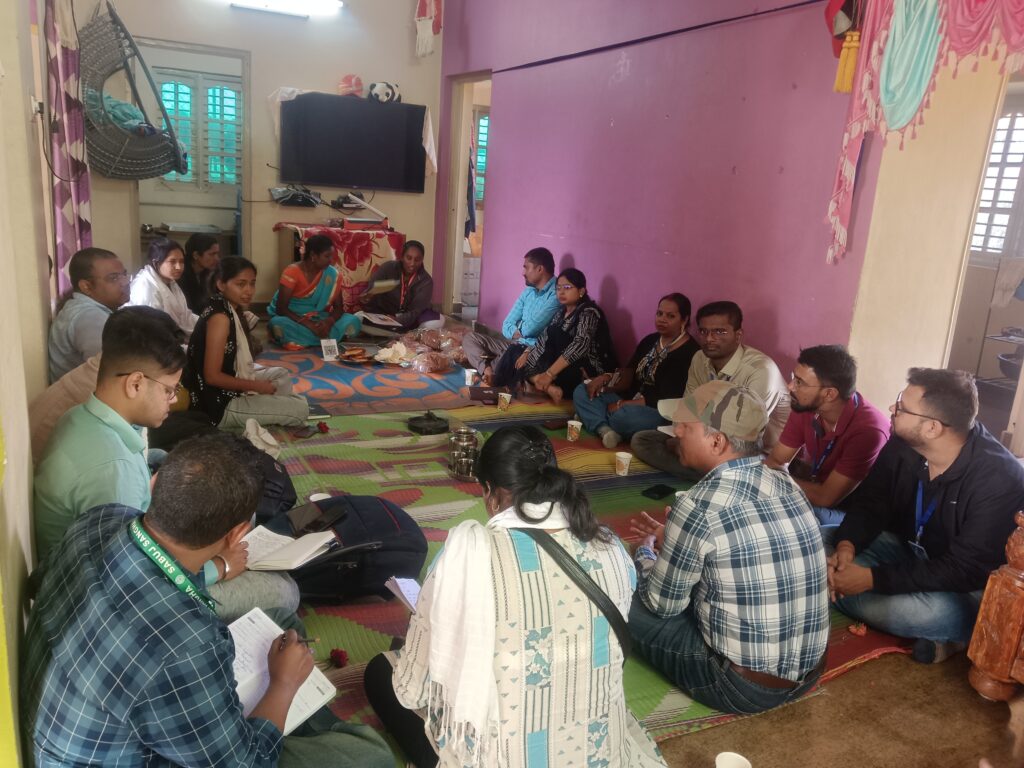
Sabuj Sangha also invests in strengthening its own project teams through exposure-based learning and staff orientation. These activities are intended to build technical understanding, strengthen field practices and provide staff with opportunities to learn from approaches and models beyond their immediate project locations. Institutional capacity building supports the quality and consistency of programme implementation across the organisation.
In the coming years, continued staff orientation and exposure can help strengthen organisational learning, improve the application of field-level practices and support teams in responding effectively to evolving programme requirements. Regular capacity building can also help retain and share learning across projects and strengthen the organisation’s overall implementation capacity.
Training conducted (FY 2025 – 2026)
| Sl. No. | Training Name | Programme | Facilitator |
| 1 | Capacity Buildingthrough Exposure of Project Staff | Digital Sakhi | |
| 2 | Staff Orientation Program | Focused Rural Development Programme | Mr. AnsumanDas Mr. DipankarRoy Mrs.PapiaRoy |
| 3 | Child Protection Training for staff | Registered Office | Mr. Supriya Sarkar Ex-Joint Director, Department of Women and Child Development and Social Welfare |
| 4 | Leadership Orientation Training for all the Project Leaders | Registered Office | Mr. Dilip Pal, Former Secretary, Dept. of Panchayats& Rural Development, Govt. of West Bengal |
©2022. Sabuj Sangha. All Rights Reserved.